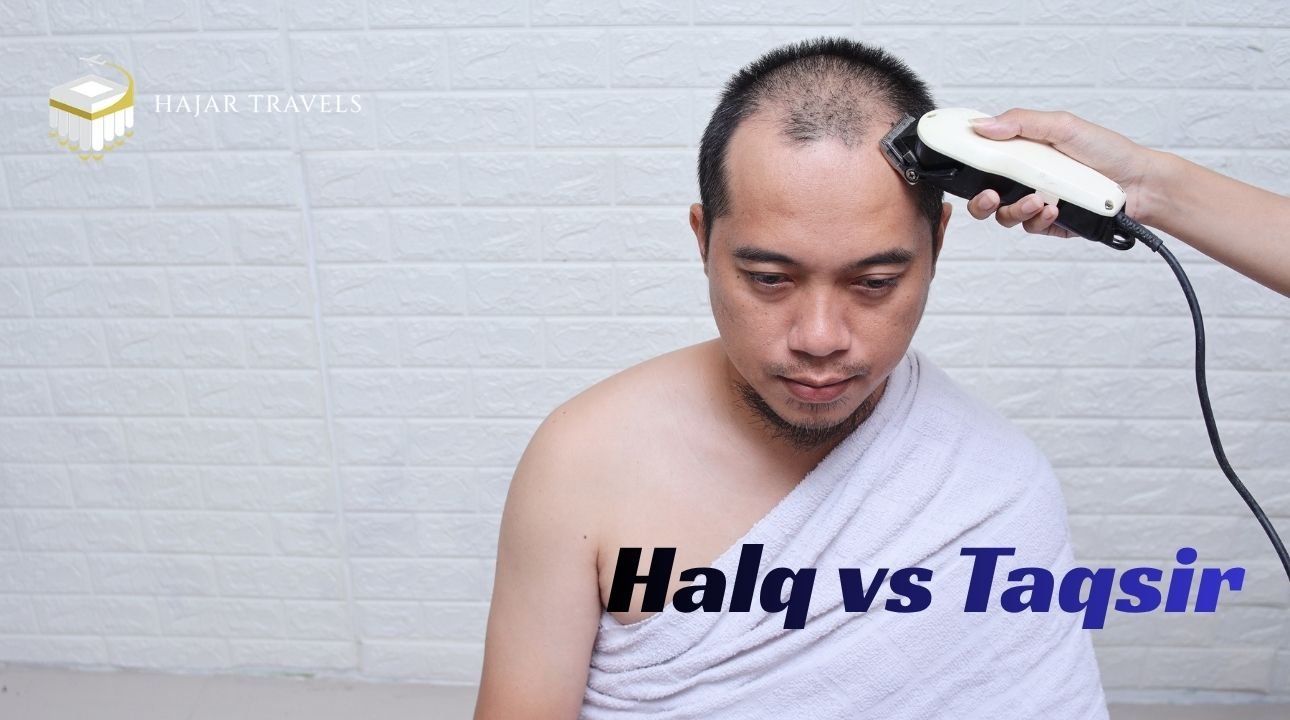
Halq refers to shaving the head (which can only be done by men) in its entirety after certain pilgrimage rituals. Male and female pilgrims can use Taqsir, which means cutting some of their hair. Both represent closing Ihram and spiritual reawakening. Islamic tradition emphasizes greater spiritual reward for Halq over Taqsir in men.
To carry out this sacred pilgrimage consists of various profound rituals — representing devotion and purity. One of the last acts of a pilgrim, just before exiting the ritual state known as Ihram, is to modify their hair. This act symbolizes the expungement of past transgressions and extrication from worldly vanity, ultimately surrendering to the will of God. Knowing the precise method for these concluding stages is integral to the correct completion of pilgrimage for millions of Muslims making their way to the holy cities.
Having heard so many stories surrounding the exact rules of these hair-cuts, for several travelers it becomes a bit complicated. The needs are very different between the male and female, and what you choose is dependent on your personal situation and spiritual goals. In this extensive guide, we will elaborate upon the differences, context and even steps required to fulfill this important obligation of your faith.
Preparing for Umrah 2026
Each and every ritual must be prepared for, with a deep understanding to enlighten your spiritual travels through your future. When preparing for your Umrah 2026 so, knowing the particulars of how to terminate the Ihram is just as important as entering. Hajar Travels takes an educational approach to Pilgrimage even before pilgrims have travelled on their flight, leaving every last individual confident and spiritually prepared. Get to know these last steps now so that when the time does come for you to stand before the Kaaba, all that's left to think about is your prayer and devotion
The Meaning and Practice of Halq
Halq is the total and complete shaving of the head. This ritual is only for male pilgrims. In Halq, men shave their hair by using a razor (single and flawless), therefore leaving the scalp smooth without any trace of hair remnants.
Carrying this is of great spiritual significance. The removal of hair is a physical and powerful marker of humility. It would reflect a willingness to strip away visible concerns with exteriority, how your body is received by the social world vis-a-vis God. Hair belongs to the "beauty" tradition and pride in almost all traditions. But here shaving it off is equalizing, reminding all the pilgrims that they have all been and always will be the same regardless of who they are or how wealthy.
The religious teachings in Islam emphasize on men's preference to go for Halq. It is narrated in history that the Prophet Muhammad prayed three times for mercy for those who shaved their heads, but only once for those trimmed their hair. This differentiation underscores the critical point that total self-abandoning of vanity is as high a virtue as can possibly be attained.
As Halq is being performed, you must face the Qibla←(The Direction of the Kaaba). The barber mostly commences from the right side of the head and goes to left. A moment of deep introspection, usually combined with a gentle prayer from the heart and peace for having concluded the rituals.
The Rules and Guidelines of Taqsir
Meaning Instead of shave the hair completely, you will cut or trim some hairs which is called Taqsir. Halqa only applies to men; on the other hand, Taqsir applies equally to both genders (with very different manner in which they should do Taqsir).
Taqsir, for men, is cutting the hair uniformly across the entire head. The absolute minimum amount that you want to get trimmed is basically the top of a fingertip worth off on every side. Halq is an additional option for men, however, it may be preferable for those who have jobs with strict appearance requirements or for those who are performing multiple Umrahs in a short time period and need hair left over to complete the next Talbiyah.
Taqsir is only an option available for women. Women are absolutely not allowed to shave their heads for pilgrimage. Rather, a woman ties her hair behind and cuts off a piece approximately as long as a finger from the tip of her tresses. This cut is usually done by a female relative or another woman who has undergone her own Taqsir. In order to preserve their modesty women perform this ceremony away from public view in their lodgings.
Key Differences to Remember
It often just depends on gender, religious inclination, and personal situation to determine which of the two practices will be chosen.
Males can do each the hiring one method or the opposite. They can determine whether they are prepared to accept the physical transition of a shaved head over the convenience of a buzz cut. This choice is not available for women who only perform the trimming ritual.
Women, however, receive different spiritual dividends whether or not they marry in this lifetime. The choice of Halq not only provides a special blessing, but also through this selection presents an unparalleled multi-level Abu Al-Hilal reflection. However, Taqsir does still satisfy the religious requirement in full and hence permit for a pilgrim to exit Ihram legally but it simply does not carry with it that unique, multiplied blessing of being one who shaves.
For one, the act is performed in a different place. Barber shops are available for male pilgrims throughout the Grand Mosques in Mecca. It is worth noting that these shops are prepared to serve thousands of pilgrims quickly. Women follow modesty rules by only practicing their ceremony in their hotel rooms or private tents.
Ensuring a Smooth Journey for Umrah 2026
As the global landscape of travel shifts, securing your plans early guarantees peace of mind. Those aiming to perform Umrah 2026 must consider logistics alongside their spiritual education. Booking with a trusted partner like Hajar Travels means you receive comprehensive guidance on everything from visa processing to the exact moment you perform your final hair cut. Their expert guides ensure that you understand whether you should choose the razor or the scissors, allowing you to complete your sacred duties without doubt or anxiety.
Final Thoughts on Your Spiritual Milestone
Finishing your pilgrimage literally changes how you see life. Changing your hair is the last corporeal seal on that spiritual. It does not matter whether you trim your hair completely as a symbol of submission in the case of being required to be shaved clean, or if you only have a modest trim depending on the circumstances, what matters is that everything serves a purpose. You are releasing your past and moving forward with a purified soul. Explore these rituals in a way that each journey brings you lasting peace and fulfillment.