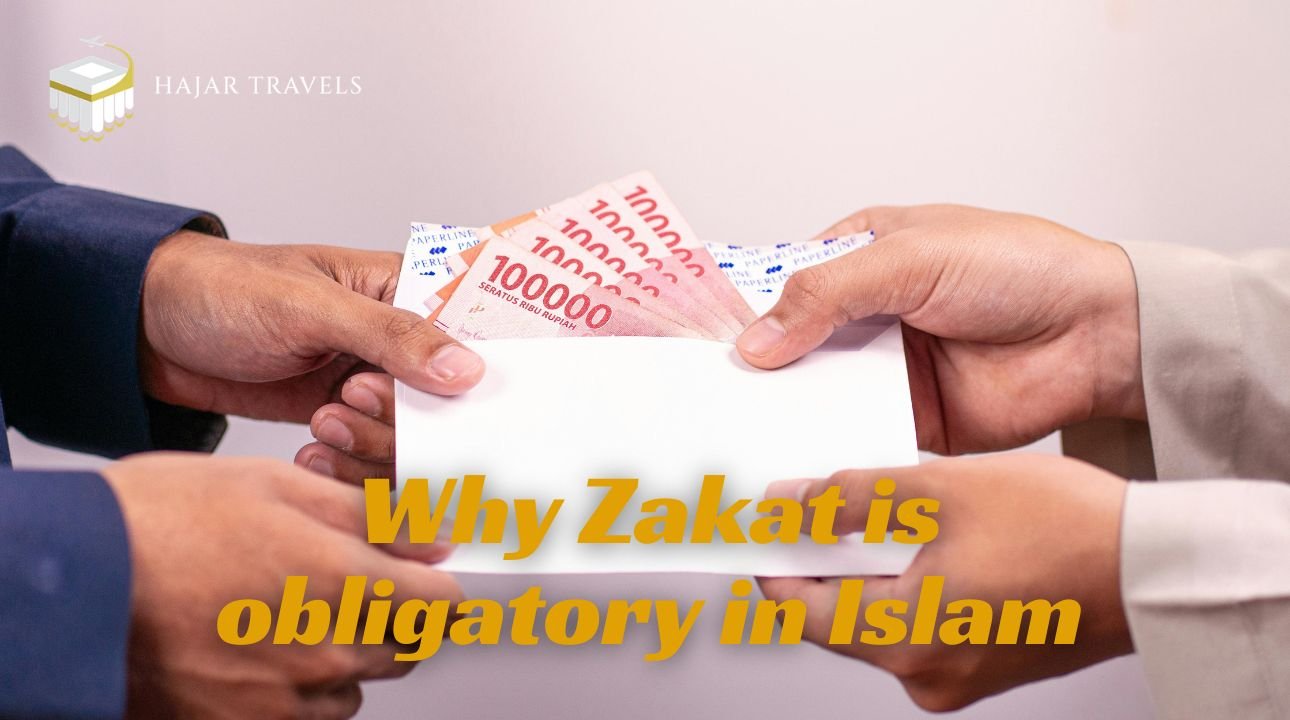
Zakat, which is a charitable contribution that Islam requires from Muslims, constitutes the third pillar of Islam. It prescribes a certain percentage of what the qualified Muslims own to be donated for specific categories. This not only cleans your source of income but also promotes economic parity in the community and is an immense act of worship which means total obedience to Allah.
The essence of the Islamic faith is based upon five fundamental practices called the Five Pillars of Islam. It outlines how Muslims are supposed to live their lives in accordance with these pillars and keep their Creator associated and the connection of being amongst living, breathing people. Now, salah (prayer) and fasting (sawm) take physical and mental fortitude but zakat brings a whole new level of strain to the game; it's financial pressure. Its not only a shift of view from personal piety to communal well-being, making it mandatory on believers to process the transient status of worldly property.
Spiritual Journeys and Umrah Packages 2026 USA
Meeting financial commitments such as Zakat encourages Muslims to fully expand their faith through physical acts of worship, like performing a pilgrimage. Planning the logistics of such a trip — much like how one calculates their annual charity — needs time, thought and planning. The United States' benefits are another area this caused many scheduling challenges to those who work there, and when most solve their relationship with a trustworthy pilgrim provider, the whole thing flows better. When you choose Hajar Travels as your travel agent, you will receive carefully managed itineraries that take care of all travel logistics. By exploring Umrah Packages 2026 USA early, families and individuals ensure that they can book their preferred dates of travel. This way, the traveler can fully concentrate on building up their spiritual lives instead of dealing with administrative issues.
What is the Core Meaning of Zakat?
The literal meaning of Zakat is "to purify" or growing or to bless. In Islamic law, it is defined as follows: the compulsory transfer of ownership of a specific share with respect to certain designated different people. Islamic law (Shariah) governs this transfer and specifies who needs to make a payment, the rate of payment, and the identity of those entitled to receive it.
In contrast to voluntary charity (Sadaqah), which you can made at any time and in any quantity, Zakat is an annual charitable payment calculated mathematically. It is usable with any form of savings, business stock, agricultural product, precious metals or livestock. This obligatory minimum amount that a Muslim pays, does not give the recipient wealth in this case, instead he is returning something which rightfully belongs to that recipient. This distinction removes some of the hubris often found within philanthropy and allows the recipient to maintain their dignity.
Why is Zakat Considered Obligatory?
The obligatory nature of Zakat is firmly established by the Quran and the Sunnah (the teachings and practices of Prophet Muhammad). In the Quran believers are commanded to "perform prayer and pay Zakat". With this direct command, it has turned the practice from a good deed sequence into something religiously obligatory.
According to all Islamic scholars, turning away from Zakat as a must is an act of going outside the fold of Islam, while not giving Zakat out of negligence is regarded a huge sin. The religious structure additionally considers this compulsory philanthropy a strategy for social equity. It is designed to move money deep into the economy, creating a ripple effect that gets people spending while reducing the number of people living in abject poverty. This practice is made obligatory in Islam, to ensure that the care of those most vulnerable does not depend on the often arbitrary nature of human generosity but rather a systematic and reliable one.
The Concept of Nisab and Wealth Thresholds
Zakat is not obligatory on every Muslim. The latter only applies to those who possess a certain amount of wealth, which is above or equal to the current value of an established minimum known as the Nisab. This threshold helps so that people who are barely able to make it to survive, do not have the obligation to contribute with contributions as a donation.
Traditionally, the Nisab amount is based on the market value of either gold or silver at any given time. When the total khums mal (wealth that is liable to zakat) in the possession of a Muslim remains above this threshold for one lunar year, they must give away 2.5% of it. Because the percentage is so low, this can be a highly inexpensive rate yet pushes the person to ensure their individual wealth still grows as they impact the greater good in society. Qualifying wealth includes bank account cash, shares, pensions, gold/silver as well as merchandise items of business entities. This calculation ignores personal items such as a primary residence, the car one drives and clothing worn on an everyday basis.
Who is Eligible to Receive Zakat?
There are eight specific categories of people who can rightfully claim Zakat. Such rigorous categorization prohibits charities from exploiting mandatory donations, only sending money to those that require it. As per Surah At-Tawbah (9:60), The people eligible for this right are as follows
- Al-Fuqara (the poor): Those without any means of livelihood.
- The poor (Al-masakin): The ones who do not have sufficient resources to cover their basic needs despite having some income.
- Zakat Declares: Those who have been appointed to collect and distribute the money.
- Those whose hearts are to be reconciled: New Muslims struggling financially or socially alienated.
- The one in bondage: Slaves and prisoners who will use money to set themselves free.
- The debt-load: Those drowning in life-crippling, unaffordable debt.
- Fi sabil Allah: Those engaged in efforts that benefit the faith and society.
- The wayfarer: Travellers lost far from home without a pot to piss in.
The Islamic economic system as a whole tackles and responds to issues of poverty, debt relief, social welfare in an extremely direct manner by limiting distribution only to these groups.
How Mandatory Charity Purifies the Soul
Aside from its social and economic advantages, the essential function of Zakat is peculiarity. It is the common human nature to stockpile wealth and be attached to things. This attachment gives rise to greed, envy, and a failure to regard others.
Give up a portion of their riches willingly and shake hands at the altar with Allah, where they engrave upon it that their love for their Creator is greater than any earthly fortune. The heart is rectified from vicious and selfish nature when it submits. Secondly, it establishes a bond of brotherhood and solidarity in the community. Fulfillment of the well-off's obligations is a key to great values that make people feel seen and supported instead of neglect leading to less friction and resentment between social classes,
Planning Ahead with Umrah Packages 2026 USA
Having a clear perception of the spiritual significance associated with material debts would definitely move believers to be engaged in alternative, more inclusive acts of worship. It is the intention for many families of Muslims to purify their wealth accompanied by physical purification through a pilgrimage. They cannot do that without proactive planning. Hajar Travels works exclusively to prepare comfortable and spiritually fulfilling trips for North American travelers. Therefore anyone searching the Umrah Packages 2026 USA in order to know the cost and expenses they must pay in charity, what is applicable according to their capabilities, and how much money they have saved up for that country. By arranging trustworthy and dependable travel the pilgrim can devote his attention fully to worship, supplication and devotion to attaining a greater closeness with God.
Fulfilling Your Islamic Duties
Beyond simply a charitable contribution, Zakat is an invaluable pillar that supports the collective spirit and social structure of the Muslim community. It requires Muslims to look at their wealth with a consciousness that it is bestowed upon them by God and should be shared. Through strict insistence on the principles of Nisab, reckoning through the known recipients and contributing with full compliance with 2.5%, it truly cleanses their earnings and obeys an absolute command of Allah Almighty.
These are all required, whether it be calculating your yearly contributions, keeping your finances in order or planning for an upcoming pilgrimage incorporating such duties into your lifestyle requires persistence and genuineness. Embrace this compulsory charity with a sense of responsibility not as a financial weight but rather as an immense opportunity to further your spirituality, help the needy and bond the world.