The pilgrimage of Umrah is a religious expression of the most spiritual experience of millions of Muslims in a year. It is a journey of worship, a corporeal and emotional action which links the faithful to the divine heart of Islam in Mecca. Although most people are conversant with contemporary rites and rituals of Umrah, the origin of the practice is centuries old, and it has experienced variations according to the times and historical settings. This comprehension of the journey through time makes this journey more fascinating, adding levels to every step that a pilgrim makes.
This discussion will follow the history and development of Umrah since the pre-Islamic times up to the current times. We shall look at how this sacred practice was instituted, and how it evolved in the coming of Islam, and how it has managed to evolve under different caliphates and even in the present times. When we know its history, we get to know more about the importance of Umrah as a worship that will always be important.
Umrah history and development is an interesting story that reflects the overall history of Islam. It was initially practiced with other intentions in pre-Islamic Arabia and later it was cleansed and institutionalized by Prophet Muhammad (PBUH). The pilgrimage has been influenced by the caliphate leadership structure, the building of great mosques and development of infrastructure to cater to the increasing population of pilgrims over the centuries. Since the caravans of camels traveling over enormous deserts, the trip has changed, and its spiritual essence stayed the same. The legacy of this is a legacy of the faith and devotion of thousands of generations.
Pre-Islamic Roots of Pilgrimage
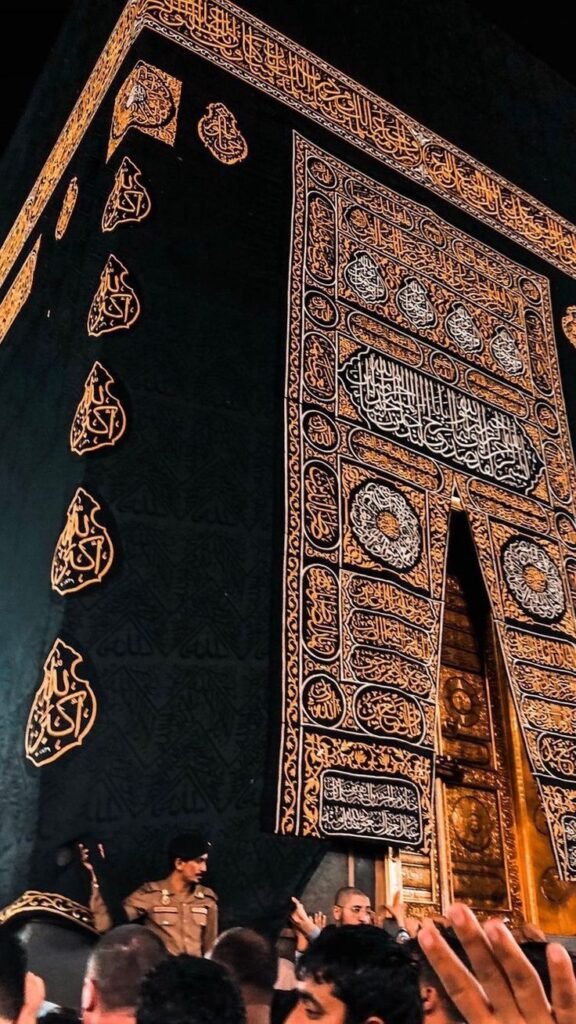
Even before the process of the discovery of the Islamic religion, the city of Mecca was a significant spiritual and business center of the Arabian Peninsula. The pilgrimaged place was the Holy cubical Kaabah on which Muslims turned back to make their prayers. But the ceremonies of this period bore little to do with the Umrah of today,--at least not with the tours of the spiritual nature that people are taking to the Umrah packages 2026 on the programme of the pilgrim of to-day.
A Center of Polytheism
The number of idols was hundreds in Kaaba during the pre-Islamic period (Jahiliyyah) which represented different gods and goddesses worshipped by the different tribes. Pilgrims would travel to Mecca in order to worship these gods, perform circumambulations (Tawaf) around Kaaba and offer sacrifice. The Tawaf was even performed nakedly and the rituals were normally combined with paganism and superstitions.
This was a primitive pilgrimage that had social and economic purposes in addition to religious purposes. It was a trading fair, poetry competition and inter-tribal meeting season during the pilgrimage season. The fact that Mecca was a pilgrimage site gave the Quraysh tribe that was its custodians of a large influence and wealth. Although these rites had certain structural parallels with the later Islamic-based rituals such as the circumambulation and the sacred sites, the motive and the meaning of each of them were completely different as they relied on polytheism instead of the monotheistic worship of a single God.
The Prophet Muhammad (PBUH) and the Islamization of Umrah
The introduction of Islam meant the Prophet Muhammad (PBUH) had the responsibility of cleansing the old practices of pilgrimage and restoring it as a practice in pure worship to Allah only. This change was a process that took time before it resulted in the creation of Hajj and Umrah as the main pillars of the Islamic religion.
Reclaiming the Kaaba for Monotheism
One of the most significant phenomena in the history of Umrah was the peaceful conquest of Mecca in the 8th year of Hijra (630 CE) that took place. The Prophet Muhammad (PBUH) invaded the city and took out the 360 idols in the Kaaba and restored the holy house to the worship of the one true God. This was meant to represent the cleansing of a great spiritual purification to restore the Kaaba to its original function as a house of monotheistic worship to be constructed, according to Islamic tradition, by the Prophet Ibrahim (Abraham) and his son Ismail (Ishmael).
The First Umrah in Islam
The initial Umrah that was carried out by the Prophet Muhammad (PBUH) and his companions occurred in the 7 th year of Hijra (629 CE), after the Treaty of Hudaybiyyah. This was the treaty between Muslims and Quraysh of Mecca, at first it appeared to be a setback because the Muslims could not go to the pilgrimage in that same year. Nevertheless, it gave them an opportunity to come back the next year during three days. This was a major triumph of the young Muslim community, which was called the Umrat al-Qada (the Fulfilled Umrah). It became the first occasion when Muslims managed to practice the rituals of Umrah in Mecca openly and in peace, making it an important issue of Islam. The Prophet (PBUH) practised the right rituals and instructed his followers about the monotheistic importance of each activity, ranging between the Tawaf or the Sa’i.
Umrah Through the Caliphates and Dynasties
The pilgrimage would later be welcomed and sustained by the caliphs and Islamic rulers to complete the task that the Prophet Muhammad (PBUH) had started even after his death. The two centuries were marked by the large-scale expansion of Mecca and Medina to meet the demands of the increasing number of pilgrims.
Development Under the Rashidun and Umayyad Caliphs
The Caliphs who were guided rightly especially Umar ibn al-Khattab and Uthman ibn Affan started the first grand expansions of the Masjid al-Haram (the Sacred Mosque) in Mecca, with the aim of providing space to more worshippers. This remained in the Umayyad Caliphate that understood the significance of the Holy Cities. They engaged in the construction of roads, drilling of wells and security along pilgrimage paths in order to make the pilgrimage safe.
The Abbasid and Mamluk Eras: Architectural Splendor
The Abbasid Caliphate that prevailed over Baghdad superintended an Islamic golden age. It was the time of numerous architectural and infrastructural activity in Mecca. The Masjid al-Haram was rebuilt and expanded several more times using ornate mosaic and marble columns. The Mamluk Sultanate that was in Egypt was another major contributor of the architecture of the Holy Cities. They raised minarets, rebuilt the Kaaba and built schools and guesthouses that accommodated pilgrims thus making Mecca more secure as the spiritual centre of the Islamic world more grounded.
The Ottoman Period and European Influence
Mecca and Medina, the sacred cities of the Ottoman Empire (15171924) were under protection. The Ottoman sultans do not seem to have been a dummy over their position as Servant of the Two Holy Sanctuaries. They also financed colossal rebuilding and enlarging of the holy mosques including the infamous implementation of the Ottoman-picturesque domes and porticos which have over centuries coexisted around the Kaaba. They also organized the annual pilgrimage convoys between Cairo and Damascus during which they provided the pilgrims with security and goodie in order to make the long trip.
The 19 th and early 20 th centuries have introduced new challenges as the European colonialists started flourishing in the Middle East. The introduction of the steamship has helped pilgrims in Asia and Africa to spend less time on their journey but also brought other political issues and health-related matters, which prompted the development of international quarantine laws.
The Modern Saudi Era: A New Age of Transformation
Formation of the Kingdom of Saudi Arabia in 1932 was a new beginning of the history of Umrah. The Saudi government has also since spent more resources than ever before in building the infrastructure and services needed to accommodate the millions of pilgrims every year.
The greatest construction has been the huge and continuous growth of the Masjid al-Haram. These projects have made the mosque expand its capacity which was tens of thousands to numbers of millions of worshipers. Contemporary facilities such as air conditioning, escalators and the most advanced sound systems have been incorporated to make pilgrims comfortable and secure. Mecca has had a skyline change with the construction of the Abraj Al-Bait clock tower complex which has the luxurious hotels and shopping malls.
Moreover, there is revolution in transportation. Haramain High-Speed Railway between Mecca and Medina, and the development of international airports have enabled the journey towards the Umrah to happen at speed that is faster and more accessible than it was previously. The role of technology is important as well, and online applications can assist pilgrims in finding their way around the rites and using the necessary services.
The history and growth of Umrah is not simply about the transformation of practices and the increase of buildings, but it is a great motivation. Since the difficulties of the desert walks in the past to the comforts of modernity, the gist of the journey has not changed, but rather, a personal relationship with Allah. Umrah was and up to this day it remains a form of spiritual rejuvenation and the travel agencies such as Hajar Travels have taken up this tradition and carried on the same to the new generation, helping them to experience the pilgrimage to Mecca, which is highly spiritual.
The Enduring Spirit of Umrah
Since pre-Islamic days, when the Umrah pilgrimage was conducted on local levels, it has experienced a phenomenal change to its present global magnitude. However, its spiritual essence, the submission and such devotion to God, has not changed. The pilgrimage remains a very strong symbol of unity and it has united Muslims all over the world on a commonality of faith. Knowing this rich history makes us appreciate more the sacred rites and makes the modern pilgrims feel connected to the chain of believers that have passed this path.
When you are getting ready to take your own walking of the spiritual path, you can think about the footsteps of the thousands of souls who have passed this path throughout the centuries. To take this age old initiation, Hajar Travels is ready to be with you at each and every step and help you have a smooth sail as well as spiritually enhancing journey.