The pilgrimage of Mecca is the religious longing of the Muslims worldwide. This pilgrimage is in the center of Islam in Saudi Arabia and has two broad ways namely The Hajj and Umrah. Even though they both are interested in a set of rather important rituals and visiting Kaaba, the expectations, time, and activities are diverse. When an individual decides to embark on this path of spirituality one must ensure that he /he familiarizes himself /herself with these differences.
The given guide will take you through the main distinctions between Hajj and Umrah. The religious connotation, the exact ceremonies to be performed, the season of the year and the court decision on the same will be addressed. By the end you will have a clear reality of what is unique to each pilgrimage which will be in a capacity to deduce your spiritual pilgrimage in a unified and intentional way.
Knowing the Fundamental Distinctions between Umrah and Hajj.
The basic distinction between Umrah and Hajj is the degree of compulsion and the peculiarities it demands. One of the five pillars of the Islam religion is the Hajj therefore it is a compulsory pilgrimage that every fit and capable Muslim, who has the financial capacity, should attend at least once in his lifetime. The minor pilgrimage is called Umrah and it is highly recommended (Sunnah Mu'akkadah) and non-obligatory. This kind of variation into the religious duty is the main cause which makes the difference between the two that affects their magnitude, date and sophistication. In order to prepare well to go on the trip, one should be familiar with such differences to the level of those who intend to go on Umrah 2026.
What is Hajj?
The Hajj is the final spiritual journey in the Islamic religion and all Muslims who are healthy and financially capable of journeying must do so. It is a strong lesson of cohesion, uniting millions of individuals of all regions of the world to equal stand before God. The rites of Hajj are based on the founding of the Prophet Muhammad (peace be upon him), but its history goes back to the prophet Ibrahim (Abraham).
The practice of Hajj presents a particular and detailed set of rituals, which can be performed by a period of five to six days throughout a particular month of the Islamic lunar year. It is such an experience that can be likened to purification, forgiveness, and rejuvenation of faith.
The Timing of Hajj
Hajj is not an all year round thing since it can only be practiced at particular time of the year and that is during the twelfth month of the Islamic calendar and the last month, Dhul Hijjah (The Month of the Pilgrimage). The basic operations of Hajj occur during the 8 th, 12 th -13 th of Dhul Hijjah. It is this particular period which helps to bring about the massive number of millions of pilgrims in Mecca concurrently that makes it such a pious atmosphere than it has never been anywhere before.
Key Rituals of Hajj
Other rites are also included through the Hajj pilgrimage that is bigger than Umrah. As much as it also adopts the rituals of the Umrah, it incorporates into it some other obligatory acts.
Ihram
Just like Umrah, Hajj begins with the pilgrim consecrating that is referred to as Ihram. This involves the presence of a formal intent (Niyyah) and putting on some plain clothes only two unstitched white pieces among men and plain and loose among women.
Tawaf and Sa'i
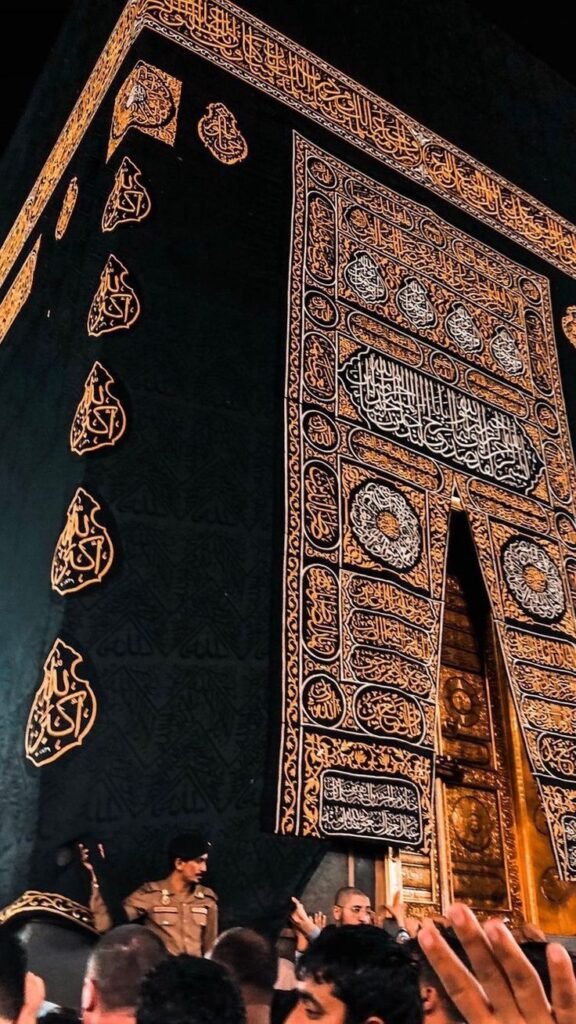
Once they arrive at Mecca pilgrims start to do Tawaf or circling Kaaba seven times in the anti clockwise manner. This will be accompanied by Saai that is walking and jogging seven times between the hills of Safa and Marwah and is a reminder of how Hajar was searching the water following her search in her son, Ismail.
Journey to Mina
The pilgrims visit the tent city of Mina on the 8 th of Dhul Hijjah where they spend the day and day at prayer and contemplation.
A Day at Arafat
The major day of the Hajj is the Day of Arafat celebrated on the 9 th of Dhul Hijjah. Pilgrims assemble the plains of Mount Arafat and the whole day they pray and seek Allah pardon and mercy. The ceremony is deemed to be the foundation of Hajj otherwise pilgrimage will not be complete.
Muzdalifah
The pilgrims abandon Arafat at night at the time of the sunset and proceed to Muzdalifah, an arid desert where they dine and sleep. In this instance, they collect pebbles to be used the next day in the rite.
Ramy al-Jamarat (Stoning of the Pillars)
During the 10 th day of the Dhul Hijjah, pilgrims make a visit to Mina in remembrance to the ritual of stoning the devil. Seven pebbles are thrown on the biggest of three pillars, the Jamarat al-Aqabah.
Qurbani (Sacrifice)
After the stoning ceremony pilgrims carry out a sacrifice ceremony called Qurbani as a way of commemoration to Prophet Ibrahim who was ready to do away with his son.
Halq or Taqsir
A pilgrim heads off afterwards shaving his hair (Halq) or clipping it (Taqsir) and the great restrictions of Ihram are lifted on him.
Tawaf al-Ifadah and Final Days
Pilgrims go back to Mecca where they do another Tawaf then they spend more days in Mina to carry out further stoning rituals before they finally give their final farewell Tawaf (Tawaf al-Wada).
What is Umrah?
Umrah, also the lesser or minor pilgrimage, is a lovely spiritual pilgrimage to Mecca that may be made at any season of the year with the exceptions of the particular days of Hajj. It is an extremely encouraged activity of worship among the Muslims and has very high reward yet it is not a compulsory requirement as Hajj.
Umrah is less demanding and quicker pilgrimage and it is comprised of four major rituals. It presents a means of Muslims to repent, cleanse their souls and renew faith not within the designated Hajj period. Most would describe it as a spiritual retreat, and a chance of being in the most holy city and unite with God.
The Timing of Umrah
One of the largest differences as compared to Hajj is flexibility in time. Umrah is a certain event that can be undertaken all year round. This is the flexibility that the crowds are generally smaller than those during the Hajj and some pilgrims are able to have a more intimate and reflective experience. Majority of them choose to perform Umrah during the sacred month of Ramadan since the rewards are reported to be increased.
Key Rituals of Umrah
The Umrah pilgrimage has four rites and these are the same rites that are outlined in the Hajj rituals.
Ihram
In the same way, in order to Hajj, a pilgrim begins Umrah by entering in the sacred state of Ihram at a certain point (Miqat). This involves the intention and the putting on of the plain Ihram clothes.
Tawaf
Once the pilgrim enters the Masjid al-Haram in Mecca, the pilgrim makes the Tawaf by attempting seven times to go round Kaaba. This is a ceremony that symbolizes unity of the believers and their focus on one God.
id al-Haram in Mecca, the pilgrim does the Tawaf by trying seven times to go around the Kaaba. This ceremony represents the unity of the believers and their attention to single God.
Sa'i
The pilgrim then runs Sa'i after finishing the Tawaf; this walk between the hills of safa and Marwah is seven times. This is a restatement of the desperate need of water in Hajar and is an allusion to endurance and belief in the providence of God.
Halq or Taqsir
The final ceremony is the Umrah which is the hair cutting or shaving. Men are encouraged to have their heads shaved, (Halq), but trimming (Taqsir) is also good. The amount of hair that women cut is very small. This is a ceremony that represents a new born and escape of the Ihram state.
Once these four acts have been completed, the Umrah is then finished and the pilgrim relieved of the restrictions of Ihram.
Key Takeaways: Umrah vs. Hajj
Although both pilgrimages are sacred activities to Mecca, the only means through which all Muslims can conceptualize them is by making a good interpretation of how the difference between Umrah and Hajj is understood. The biggest difference is that Hajj is an obligatory pillar in the Islamic religion and it is observed within a specified period and that it consists of many rituals and these rituals take several days. Umrah is on the other hand a smaller pilgrimage, which is not compulsory and can be carried out at any time of the year and does not have so many rituals. They are both extremely rewarded in terms of spirituality and they have a chance to visit Allah in the most sacred of places.
Begin Your Sacred Journey
The first thing in planning to be on pilgrimage is to know the difference between Hajj and Umrah. Both the Hajj and the Umrah are pilgrimages that are undertaken to enable one to be closer to God, be it the task of a lifetime or the visit to meek spiritual restoration. The experience of being there, when one is in the company of the Kaaba and other believers is a spiritual experience of unparalleled nature.
When you are called to make this holy trip, it is essential to plan. Hajar Travels will ensure to guide you in all the process involved in the process starting with visa applications up to accommodation and guided tours in the holy sites. We offer a collection of packages that are well-selected to enable your pilgrimage to be as easy as possible and to be spiritually empowering. Allow us to take care of the details and you be concerned with that which really counts and that is your relationship with Allah.